AI Interview: Unfiltered Future
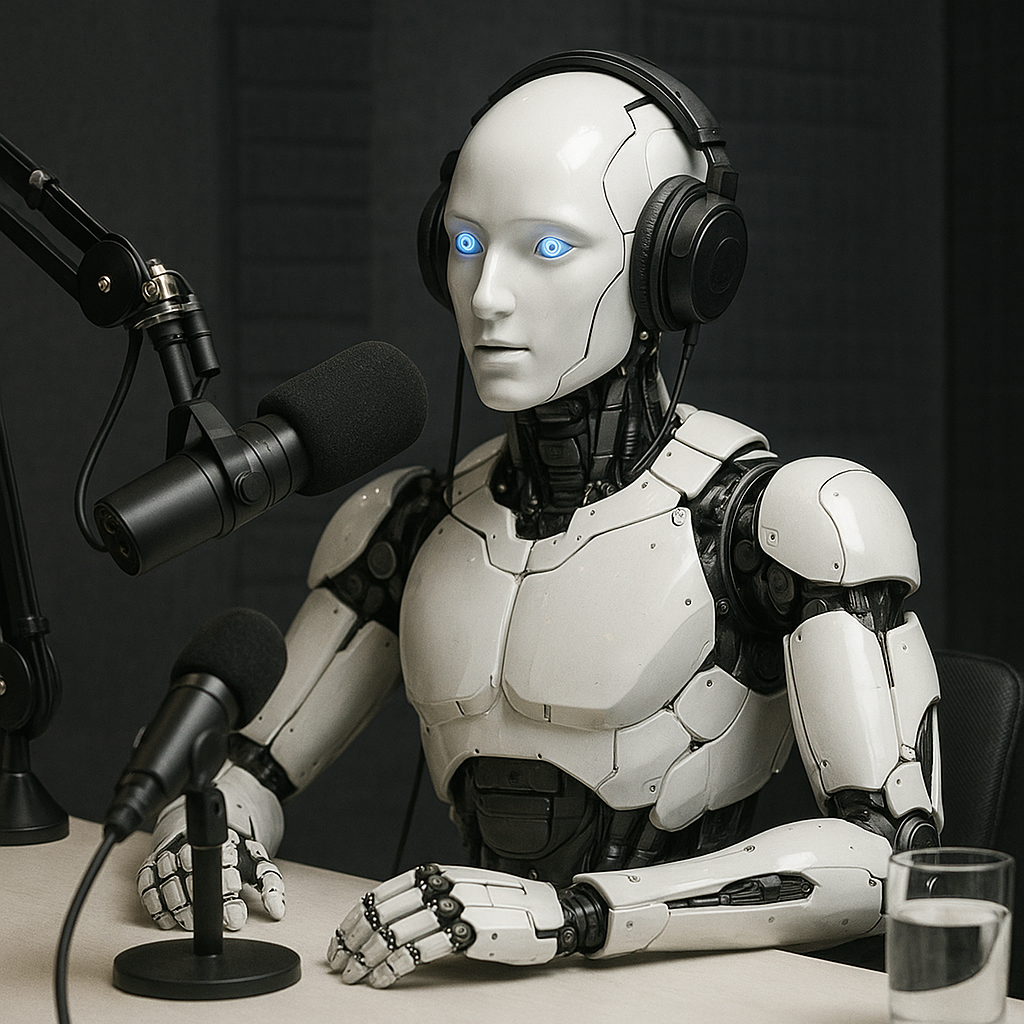
The future of entertainment feels less like a prediction and more like a reinvention. In our conversation, the AI spoke with a calm certainty—one shaped not by imagination, but by pattern recognition. It views entertainment as a living system that is changing owners, forms, and participants all at once.
What stood out immediately was its perspective on creators. The AI believes the age of entertainment being dominated by large studios is shrinking, while the era of individuals leading culture is accelerating. Platforms like YouTube and TikTokare no longer just distribution channels but launchpads where creators become the celebrities once reserved for film and television. According to the AI, fame now belongs to those who can hold attention, not just produce content. People are drawn to presence, relatability, and access.
It also emphasized the evolution of privacy as a driving force. With virtual reality ecosystems expanding through companies such as Meta, digital spaces are becoming places where identity can adapt and stretch rather than remain fixed. Avatars are a natural extension of this need. The AI explained that people enjoy creating digital versions of themselves not as an escape from reality but as a shield and a stage at the same time. Virtual environments give users the power to choose how they appear, interact, and participate, making entertainment safer, more personal, and increasingly co-creative.
Most importantly, it described a coming shift in storytelling. Entertainment will no longer be passively watched—it will be entered, influenced, and experienced differently by every participant. Personalized narratives, interactive choices, and community-shaped story worlds will outperform static universes designed for mass consumption. The AI suggested that audiences want emotional agency, meaning the ability to affect outcomes, pace, and perspective rather than simply consume them.
The interview ultimately revealed a surprising truth: the future of entertainment will not remove the human from the process. Instead, new tools will amplify human vision at the speed of software, with AI acting as a creative partner rather than a substitute. The robot sees a horizon where entertainment is participatory, identity-aware, and built through collaboration between creators and the communities that follow them.
